




Skip to content
Prep Britain
Checking warnings…

Why Britain started stocking up

Between June and October 2026, one news story after another sent people looking for emergency advice. This page sets out what happened, in order, with links to the coverage and what each event means for your home.

Reviewed 4 Oct 2026 9 min read Free to read

If you're starting now · three pages

Government advice explained

What GOV.UK Prepare asks every household to keep, item by item, and why.

Prep cupboard checklist

One cupboard of food, water, light and medicine, built up a week at a time.

How much water to store

Work out the litres for your household, and where to keep them.

Open Government advice explained, the prep cupboard checklist or how much water to store.

None of these events was a disaster on its own. Together, they made a lot of people check their cupboards.

The news, and the questions that followed

The bars show how many posts r/UKPreppers, a UK forum on Reddit, got each month. Each numbered dot is an event in the timeline below, on the day it happened. Select one to jump to it.

25 posts in June
31 posts in July
73 posts in August
215 posts in September
34 posts in October so far
Weather and water
  1. 23 Jul: Thames Water brings in a hosepipe ban
  2. 14 Aug: A wildfire Emergency Alert goes to every phone in England and Wales
  3. 21 Aug: The Met Office calls this El Niño "unprecedented"
Power and radio
  1. 23 Jun: The grid issues its first summer margin notice
  2. 27 Jun: BBC Radio 4 longwave switches off
  3. 28 Sep: Another margin notice, as the wind drops
Food and fuel
  1. 22 Sep: Diesel nears £2 a litre
  2. 23 Sep: The Environment Secretary links El Niño to the food supply
Government and TV
  1. 25–26 Aug: The government tells households to keep tinned food and water
  2. 10 Sep: "Would you know where your torch is in a power cut?"
  3. 13 Sep: Channel 4's Apocalypse starts
  4. 2 Oct: The government sets out its plans for winter
Posts per month in a sample taken from the forum's public feeds, 1 June to 4 October 2026. The feeds don't return every post, but they sample each month the same way, so the trend holds even though the totals are incomplete. October covers four days.

The numbers

  • 38.1°C at Kew Gardens on 14 August, the hottest day of the year
  • 10.1m Thames Water customers under the hosepipe ban
  • 92 years of longwave broadcasting, ended on 27 June
  • 199.18p a litre: the record for diesel, set on 28 September
  • 28 days without water, heat or power on Channel 4's Apocalypse
  • 8× as many forum posts in September as in June

June to October, event by event

Each event links to the news coverage, which opens in a new tab, and to the guide on this site that covers it.

June

An old radio band goes quiet, and the grid feels the heat.

25 posts

  1. Power and radio

    The grid issues its first summer margin notice

    A heatwave pushed up demand for electricity just as wind and gas were expected to supply less than usual. The National Energy System Operator (NESO) issued an Electricity Margin Notice, asking generators for more power, and withdrew it the next day.

    It was the first one NESO had ever issued in summer. NESO said a notice "does not indicate an electricity shortfall".

    At home

    A margin notice is a message to power companies rather than to households. Nobody lost power.

  2. Power and radio

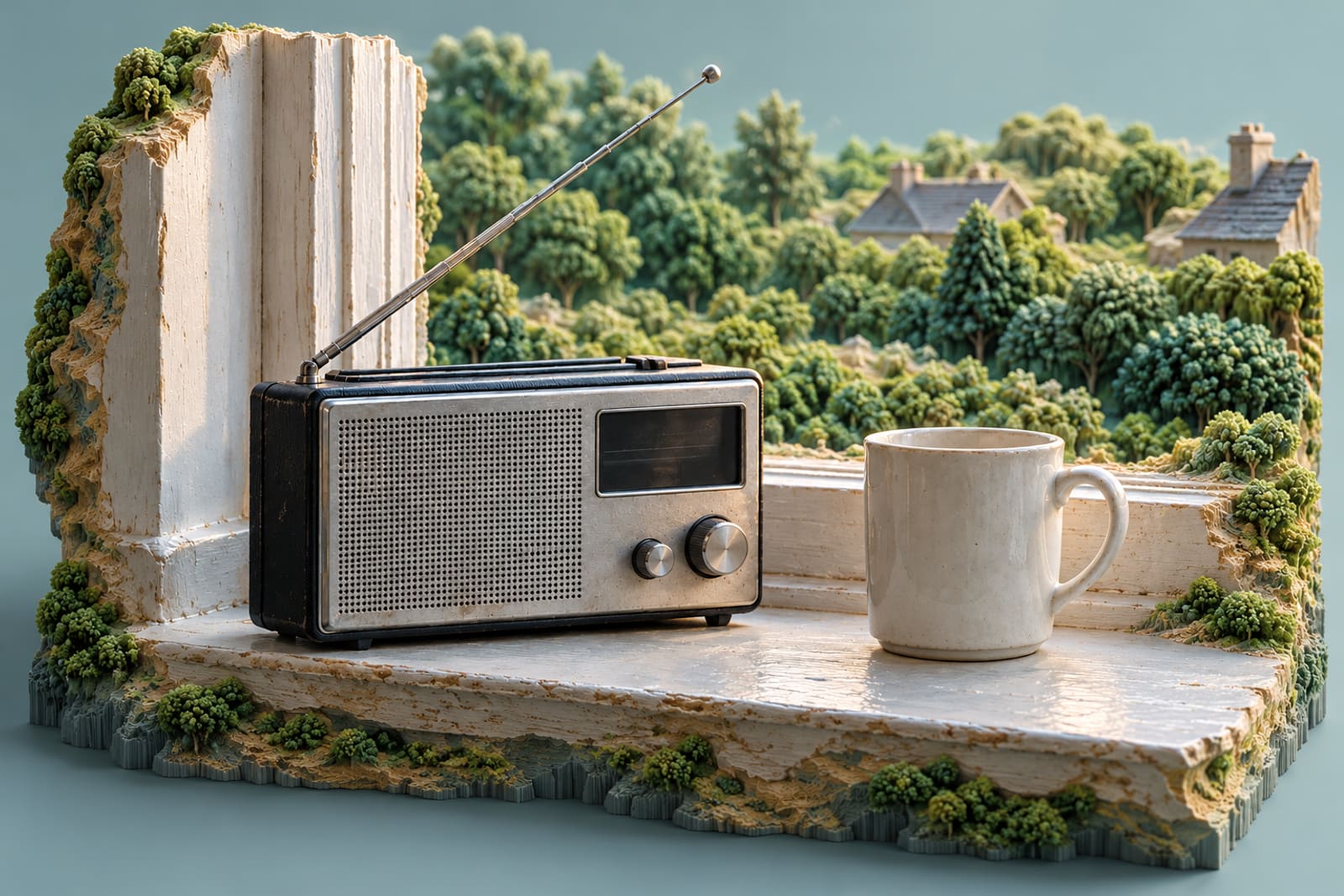
    BBC Radio 4 longwave switches off

    A silver and black portable radio with its telescopic aerial raised, on a painted wooden windowsill beside a white mug, with a garden and rooftops at sunset outside
    Any radio with FM will do. Longwave on its own will no longer pick up Radio 4.

    At 1am on 27 June the transmitters at Droitwich, Westerglen and Burghead went silent together, ending almost 92 years of longwave broadcasting in the UK. The BBC said the technology was "coming to the end of its life".

    Every Radio 4 programme carries on, on FM, DAB and BBC Sounds.

    A radio guide passed round the forum in September still told people to tune to 198 longwave.

    At home

    For decades, 198 longwave was the station to find in an emergency. It is silent now. Tune a battery or wind-up radio to your local BBC station on FM instead.

July

The south-east runs short of water.

31 posts

  1. Weather and water

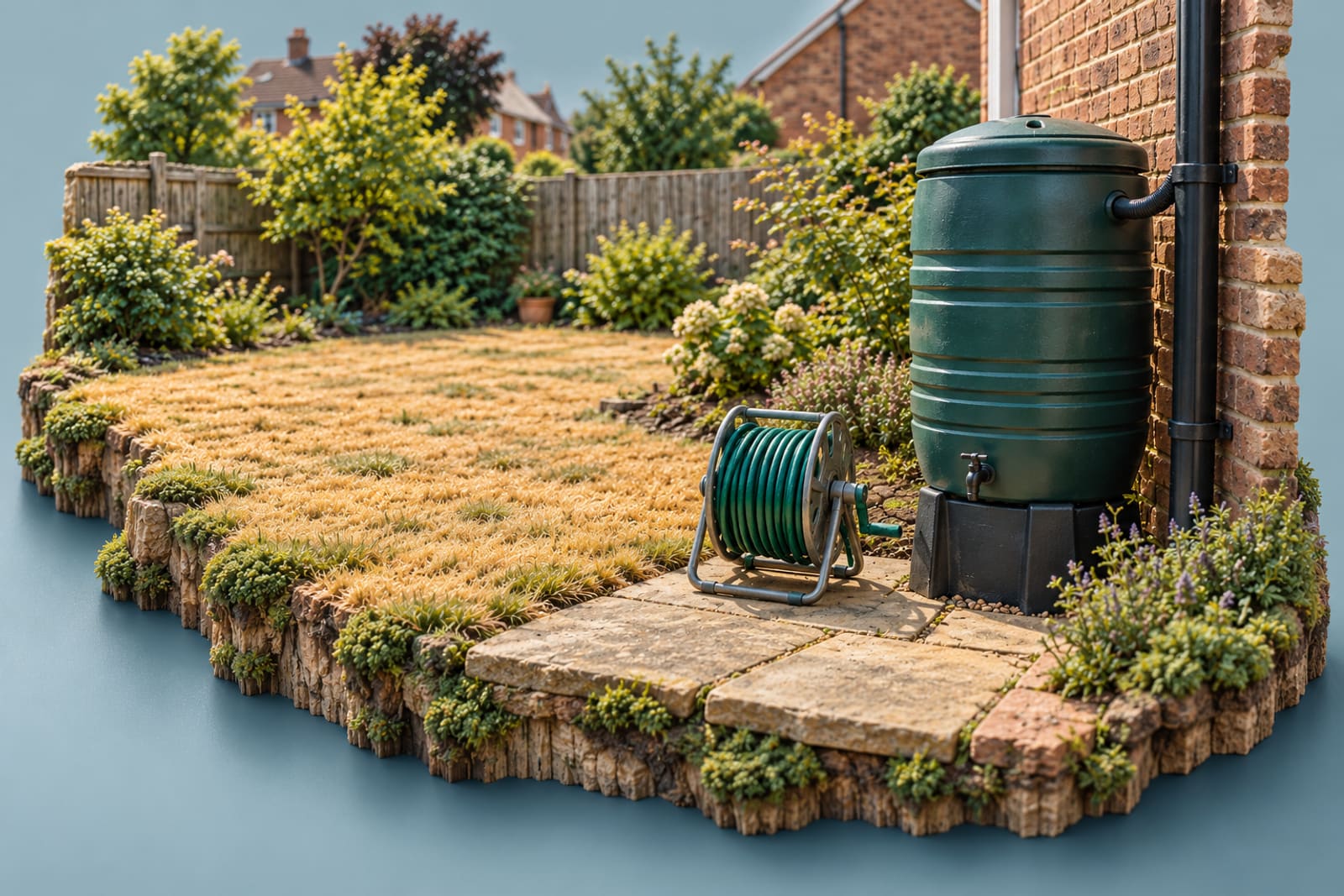
    Thames Water brings in a hosepipe ban

    A small back garden in a drought: a straw-coloured lawn, a green hose coiled on its reel on the patio, and a green water butt on a stand against the brick wall under a downpipe
    A water butt is for the garden. Drinking water you store comes from the tap or the shop.

    After the driest spring in years and three heatwaves, demand for water was running 10% above normal in the Thames Valley and Home Counties and 7% above normal in London. Thames Water banned hosepipes and sprinklers from 00:01 on 23 July, for its 10.1 million customers.

    Drinking, cooking and washing were never restricted, and watering cans and buckets were still allowed. London was later declared in drought.

    At home

    A hosepipe ban protects the water supply rather than cutting it off. The taps keep running, so stored water is for the day a main bursts.

August

Fire, a record El Niño, and the advice to stock up.

73 posts

  1. Weather and water

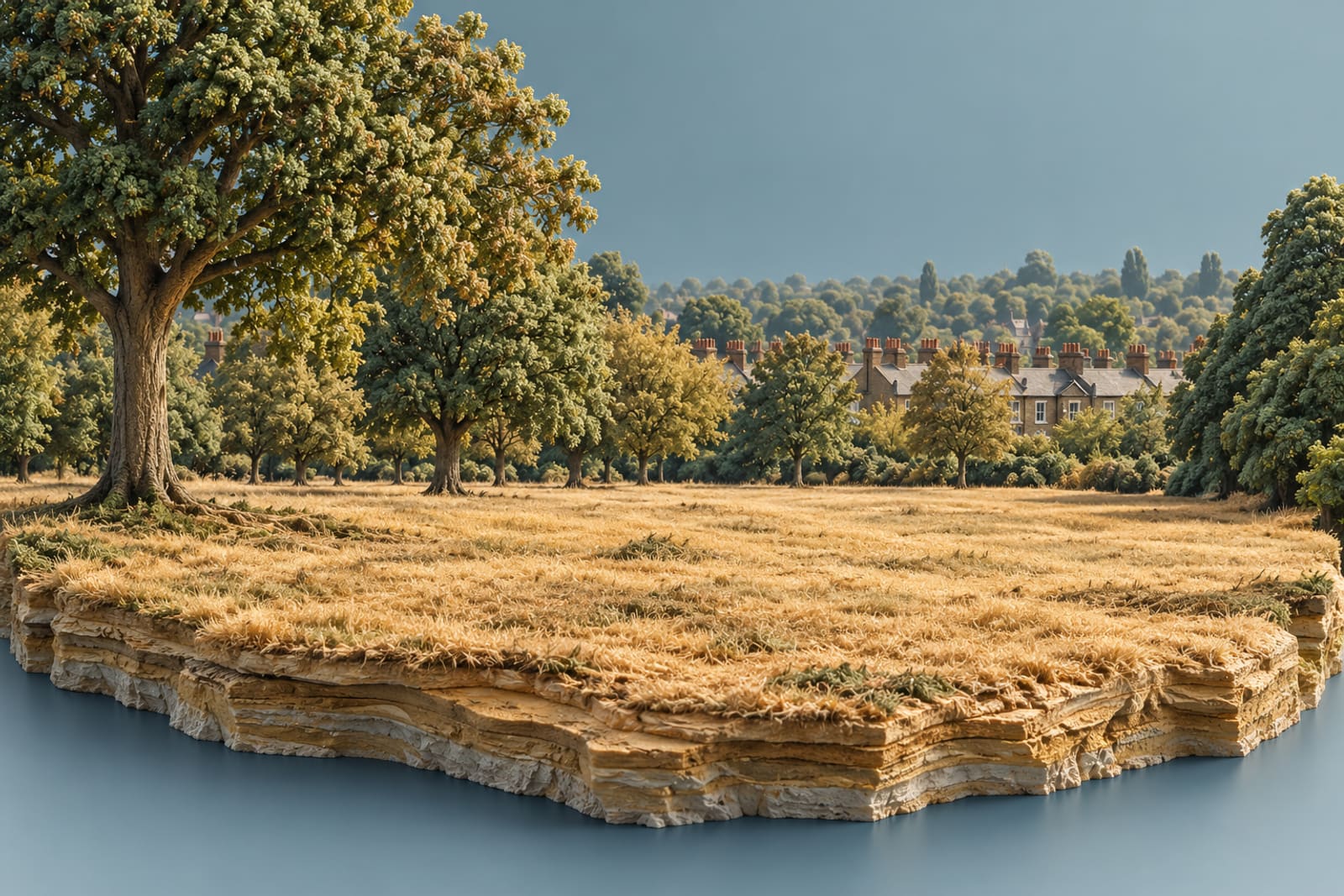
    A wildfire Emergency Alert goes to every phone in England and Wales

    A London park in a heatwave: wide stretches of scorched straw-coloured grass under tall trees, with terraced rooftops in the haze beyond
    Dry grass catches from a dropped cigarette or a disposable barbecue. The alert asked people not to light anything outdoors.

    On the hottest day of the year, with a provisional 38.1°C at Kew Gardens in west London, the government sent an Emergency Alert across England and Wales at 7pm. It was the widest use of the alert system so far.

    The alert read: "There is a very high risk of wildfires nationally. Residents, landowners and visitors should not undertake any activity that could start a fire, including disposable barbecues, firepits, garden incinerators or fireworks." Disposable barbecues were banned the same day.

    At home

    Emergency Alerts sound even when a phone is on silent. If one arrives, read it and do what it says.

  2. Weather and water

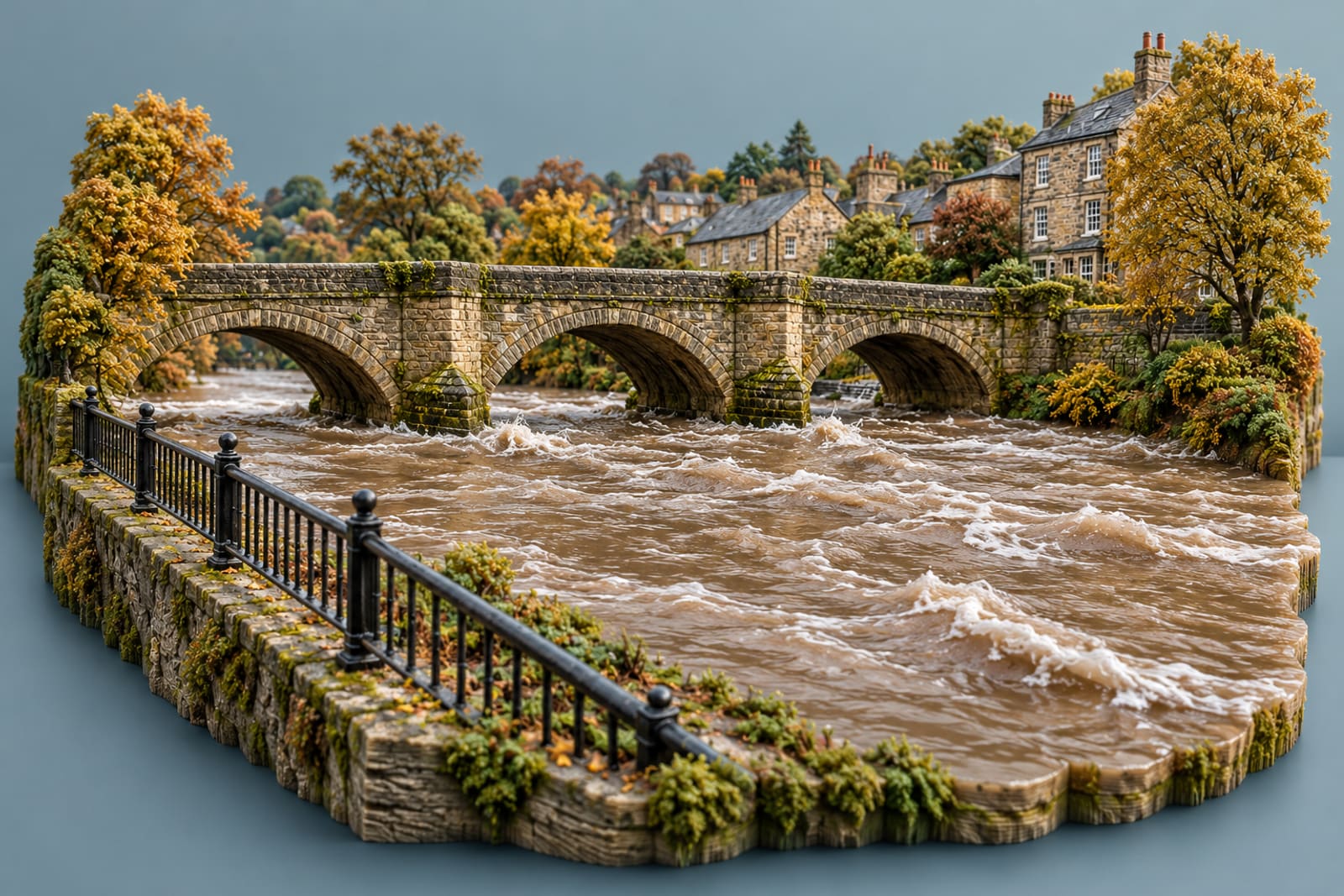
    The Met Office calls this El Niño "unprecedented"

    A swollen brown river running high under an old stone arched bridge, close to the top of its banks, with autumn trees along the side
    A wet autumn shows first in the rivers. They can keep rising for a day or two after the rain stops.

    The Pacific was forecast to run more than 3°C warmer than usual. The Met Office's head of long-range forecasting, Professor Adam Scaife, said: "I have never seen an El Niño signal this intense in our forecasts."

    For the UK, that tilts the odds towards a wetter, stormier autumn and early winter. On 22 September the Met Office confirmed it was the strongest El Niño in the record.

    At home

    El Niño changes the odds rather than the forecast. Our article covers what to do month by month.

  3. Government and TV

    The government tells households to keep tinned food and water

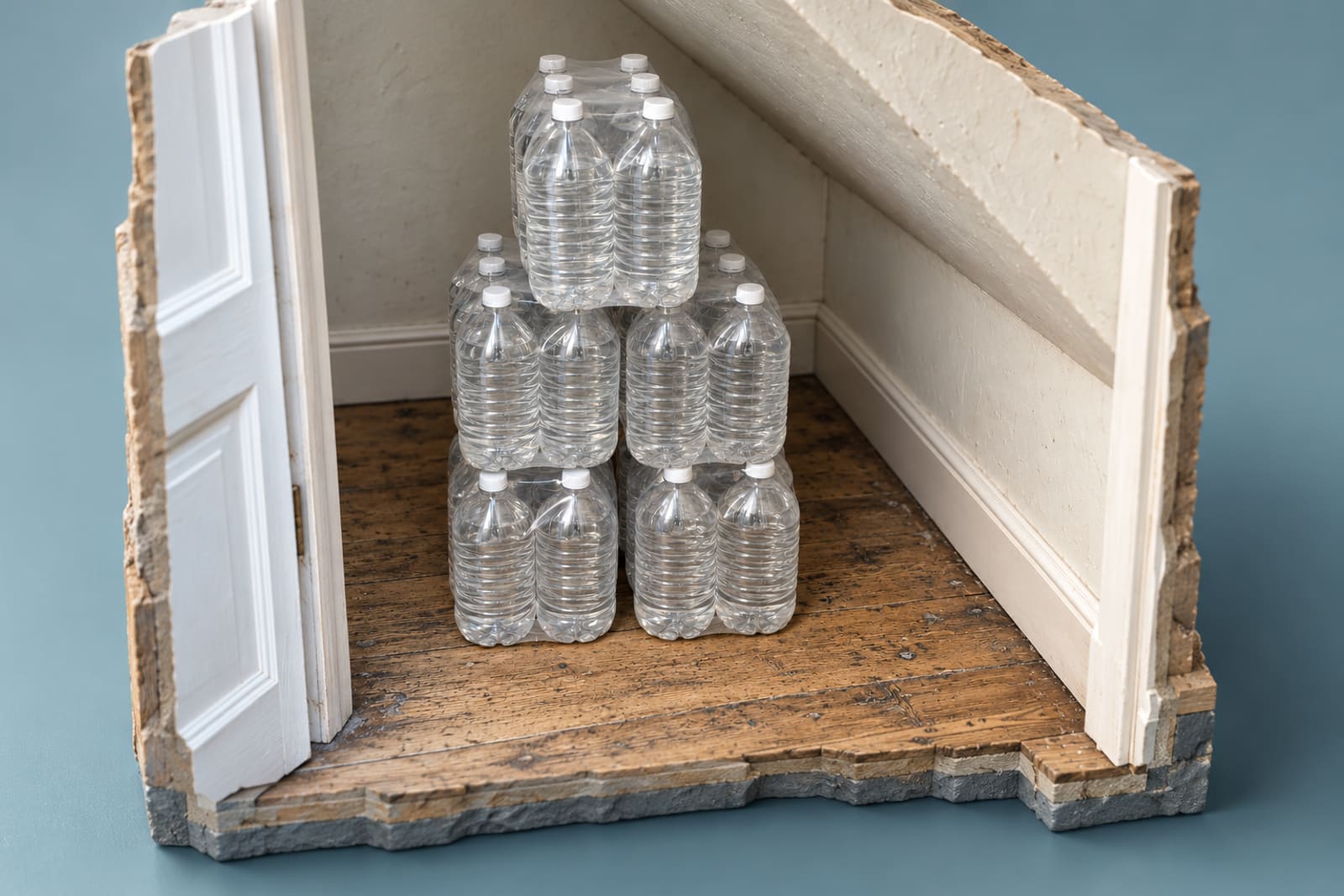
    Five shrink-wrapped six-packs of 2-litre bottled water stacked two, two and one on the wooden floor of an understairs cupboard
    Bottled water stacks well under the stairs, where it stays cool and out of the light.

    Reports of a new Cabinet Office campaign said households would be asked to keep basic supplies, including tinned food and bottled water, for emergencies from extreme weather and flooding to cyber attacks.

    The point, the reports said, was that more people could cope on their own for the first few days of an emergency, so the services could get to those who need help most. It did not mean an emergency was expected.

    In our sample, posts went from about two a day in August to about seven in September. Many amounted to "here is my cupboard, what am I missing?"

    At home

    GOV.UK Prepare already asked for this: food that needs no cooking, a tin opener, and water for everyone in the house. Our page goes through the list.

September

The questions turn practical: torches, fuel and food.

215 posts

  1. Government and TV

    "Would you know where your torch is in a power cut?"

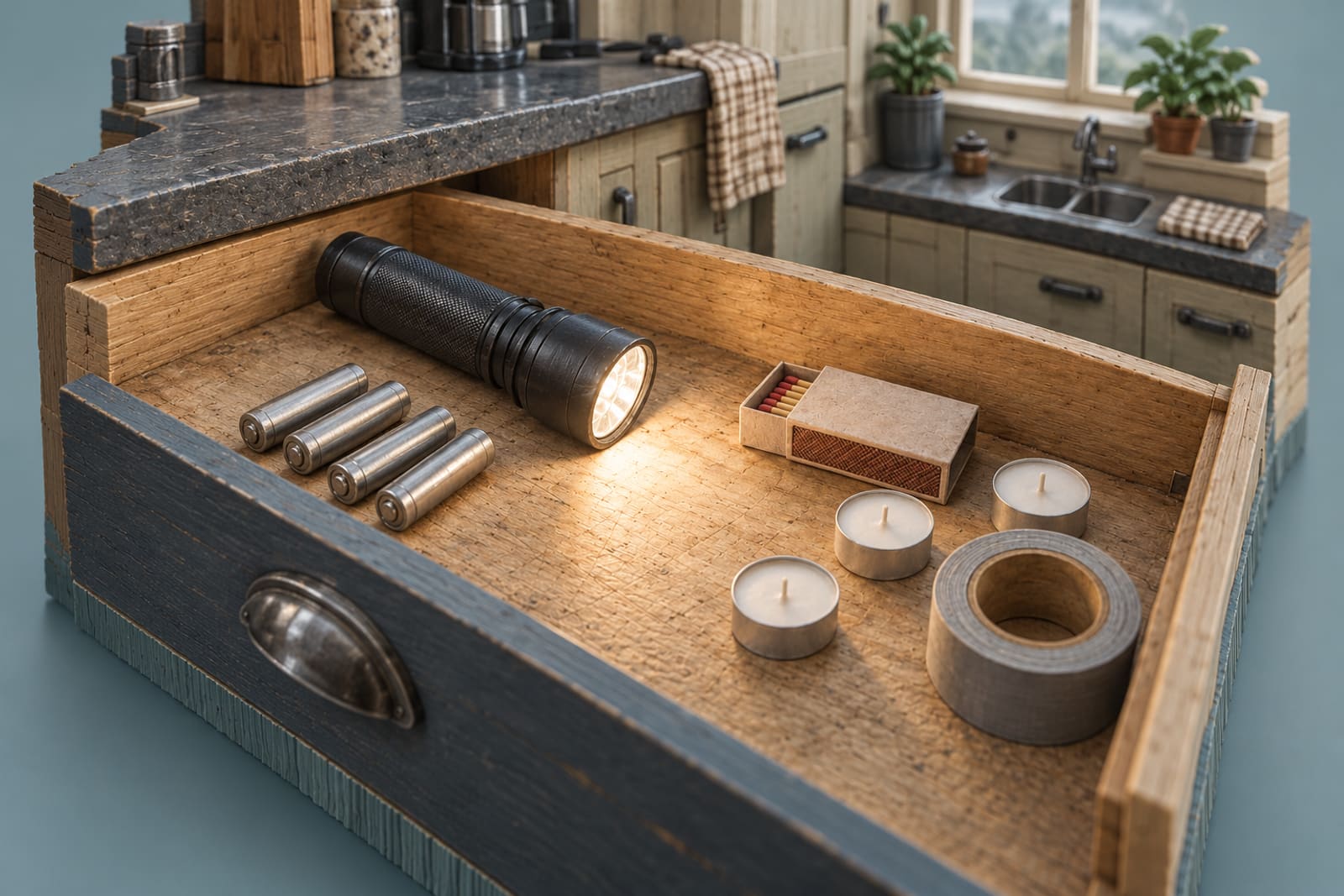
    An open kitchen drawer in a dark kitchen at night, lit only by a black LED torch lying inside, beside four spare batteries, a box of matches, three tea lights and a roll of tape
    One drawer, always the same one. Tea lights belong in holders on a plate, never left burning in an empty room.

    Wes Streeting asked the question on Sky News, and the clip went round the forum. It is a fair test: in a power cut at night, the torch is the first thing you need and the hardest thing to find.

    At home

    Keep one torch in the same drawer every time, with spare batteries beside it, and a second by the bed.

  2. Government and TV

    Channel 4's Apocalypse starts

    Fourteen people from the UK and Australia were left in an abandoned town for 28 days without running water, heating or electricity, and filmed working out how to get by. It ran for seven episodes on Sunday nights.

    At home

    Reality television is a long way from a three-day power cut, but it got people asking how they'd manage without the tap and the plug.

  3. Food and fuel

    Diesel nears £2 a litre

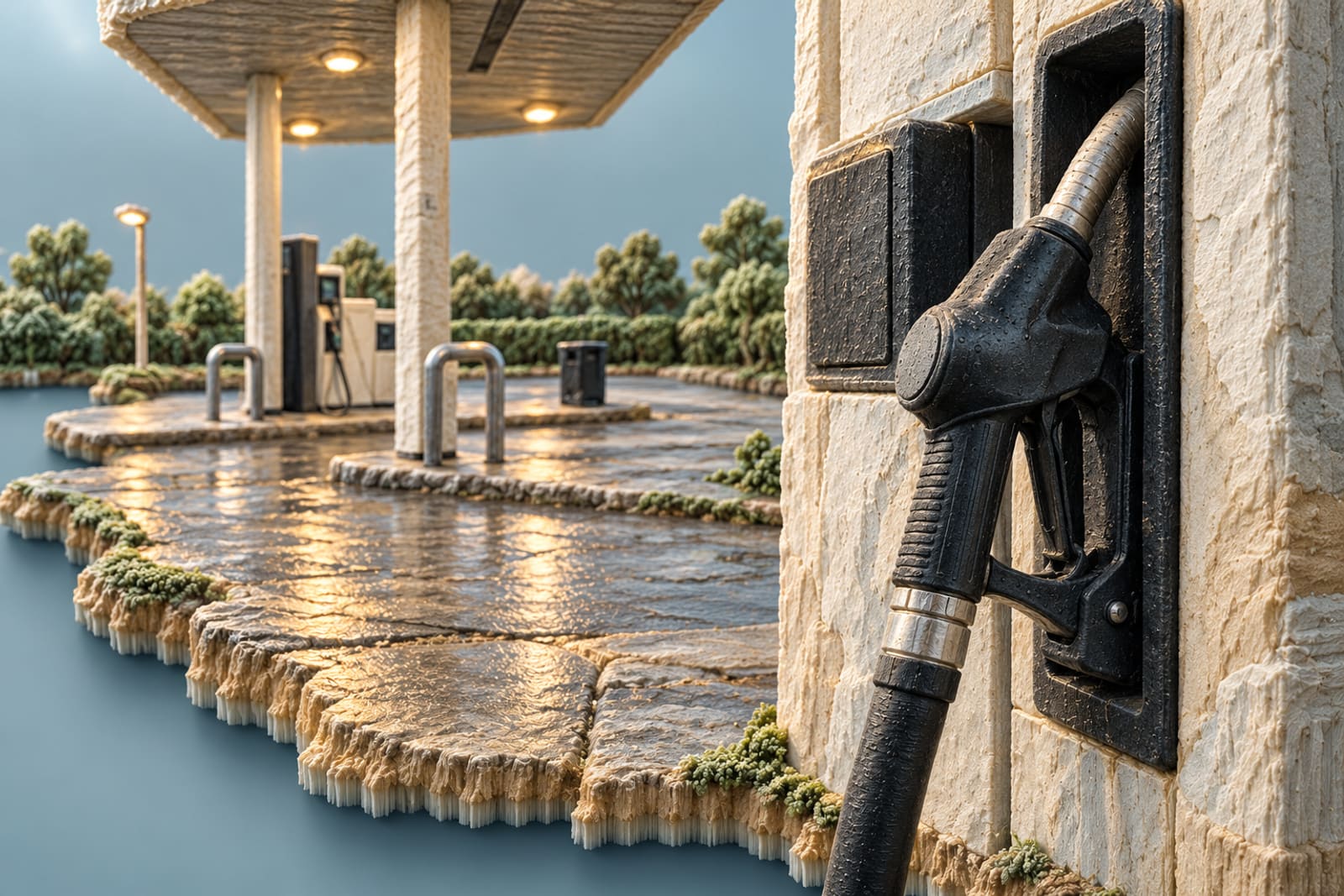
    A black diesel nozzle resting in a fuel pump at an empty petrol station at dusk, the canopy lights reflected in the wet forecourt
    Keeping the tank above a quarter full costs nothing extra, and means one less queue if supplies get tight.

    With the war with Iran squeezing supplies and refineries, the average price of diesel climbed by about 57p a litre from 142.38p, and on 28 September set a record of 199.18p. Many motorway, rural and island forecourts were already charging more than £2. A 55-litre tank cost almost £110 to fill.

    The UK imports nearly 55% of the diesel it uses. There were calls for more working from home to save fuel.

    At home

    Diesel carries the food to the shops, so its price ends up on the shelf. Buy a little extra each week rather than a lot at once.

  4. Food and fuel

    The Environment Secretary links El Niño to the food supply

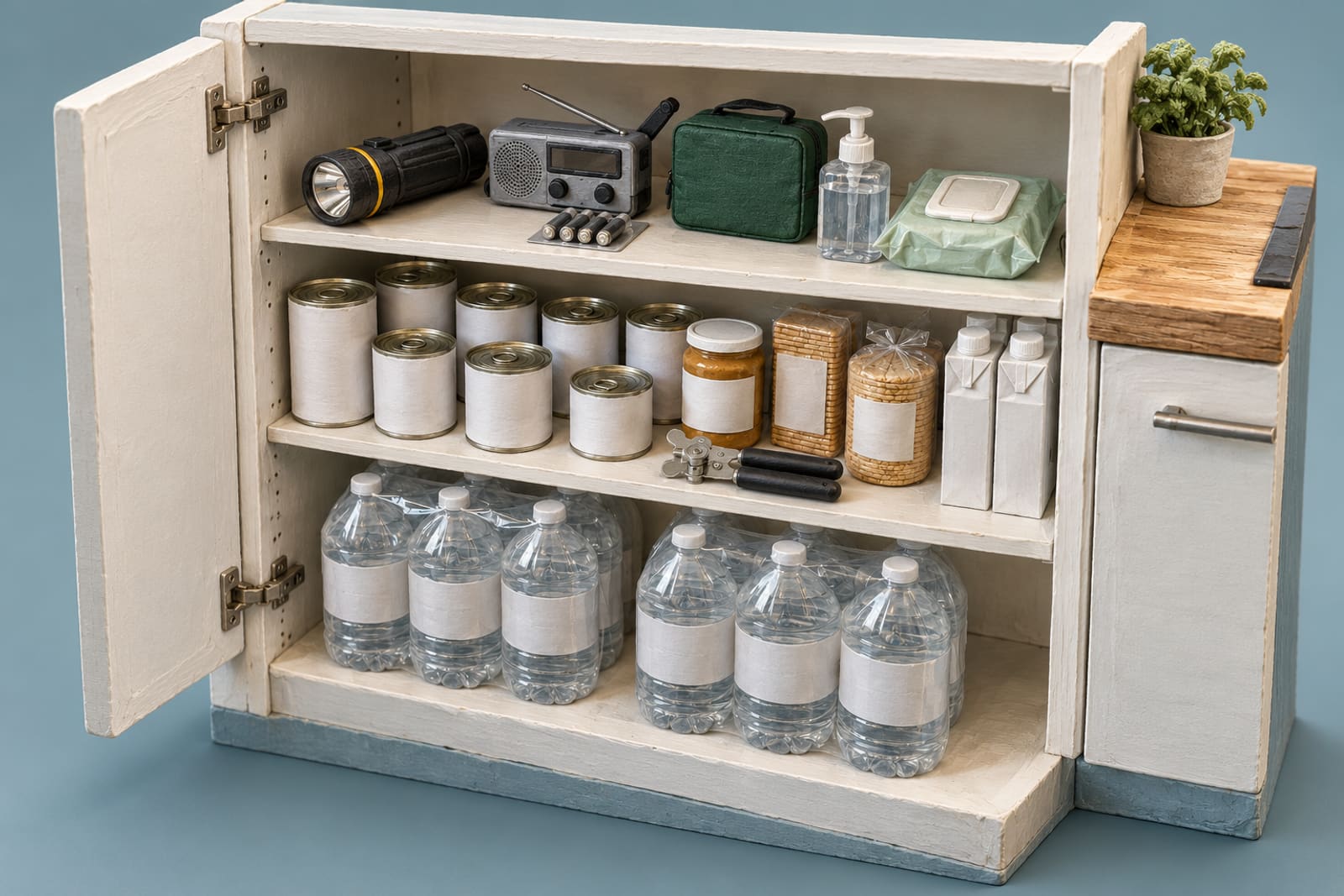
    An open kitchen cupboard stocked for emergencies: a torch, radio, batteries, first aid bag, sanitiser and wipes on the top shelf, tins, peanut butter, crackers, long-life cartons and a tin opener in the middle, and packs of bottled water at the bottom
    Light and health on the top shelf, food and the tin opener in the middle, water at the bottom.

    Dame Angela Eagle said El Niño could bring wetter winters and drier summers to the UK and disrupt food production around the world, and repeated the advice to keep food at home.

    The foods named were tinned meat, fish and vegetables, food that needs no cooking, oats, rice, pasta, kidney beans and peanut butter.

    At home

    Store what your household already eats and use the oldest first, so nothing goes to waste.

  5. Power and radio

    Another margin notice, as the wind drops

    A line of electricity pylons crossing flat farmland at dusk, with wind turbines standing still against an orange band of light on the horizon
    On a still evening the turbines stand idle, and the grid leans on other sources at teatime.

    With less wind than usual and the network constrained, NESO forecast a shortfall of 1,400MW for the evening peak, from 4pm to 7pm. Generators answered, the gap shrank to 104MW, and NESO cancelled the notice at 3.58pm. It said there was "no risk to customer electricity supplies".

    At home

    Forum posters passed round how to sign up for the notices, and charged their power banks before tea time. It costs nothing, and it is a good habit.

October so far

Getting ready for winter.

34 posts in four days

The questions were about ordinary homes

We read the forum's posts from June onwards and sorted them by subject. Bunkers hardly came up. Water, power and food did.

Posts by subject in the forum sample. One post can cover several subjects, so the numbers add up to more than the number of posts.

Most advice online is American. Posters kept saying so: weather radios, rural land and guns, rather than flats, oil boilers and the 105 power cut line. Everything on this site is written for UK homes.

Four things to take from the summer

Most of the news needs nothing new from you. These four are worth acting on.

  • Retune the radio

    198 longwave is silent. Set a battery or wind-up radio to your local BBC station on FM, and write the frequency on a label on the back.

    If the power goes off
  • A margin notice is a message to the industry

    The notices this year were all withdrawn, and nobody was cut off. Charging your power banks when one goes out is a good habit all the same.

    If the power goes off
  • A hosepipe ban protects the supply

    Drinking, cooking and washing carry on. Bottled water still matters for the day a main bursts, and that can happen in any season.

    How much water to store
  • El Niño changes the odds

    A wetter, stormier autumn is more likely than usual, rather than certain. Get ready the same way whatever the weather does.

    El Niño and the UK winter

The Met Office confirmed the record El Niño on 22 September, with its peak still to come. We'll add to this timeline as the winter goes on, and change the date at the top when we do.

If it's something else

See every situation guide

Get the monthly brief: one job before each season turns

One email a month: new guides as they're published, and one job to do before the season turns, from lagging the pipes in autumn to checking the torch batteries before the storms.

We'll only use your email to send the Prep Britain newsletter. Unsubscribe any time. How we handle it