




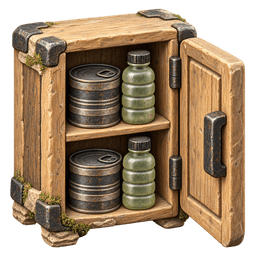
Prep cupboard checklist
Tick off what's already in your cupboard and see what's left. The 26 items come from the four official UK lists, side by side, so you can see which ones they all agree on.
Emergency Danger to life
Danger-to-life warning in force
 Prep Britain
Tick off what's already in your cupboard and see what's left. The 26 items come from the four official UK lists, side by side, so you can see which ones they all agree on.
Put a manual one with the tins and open one tin with it. Ring pulls snap.
Look at what the torch and radio take, then check the spares are the same size.
Pasta and rice need water and a hob. Count them as extras.
A good prep cupboard is a few days of normal meals, a light, a radio and your medicines, kept where you can find them in the dark.
Set how many people live with you and how many days you want to cover. The water and food lines work out the amounts. Your ticks stay in this browser.
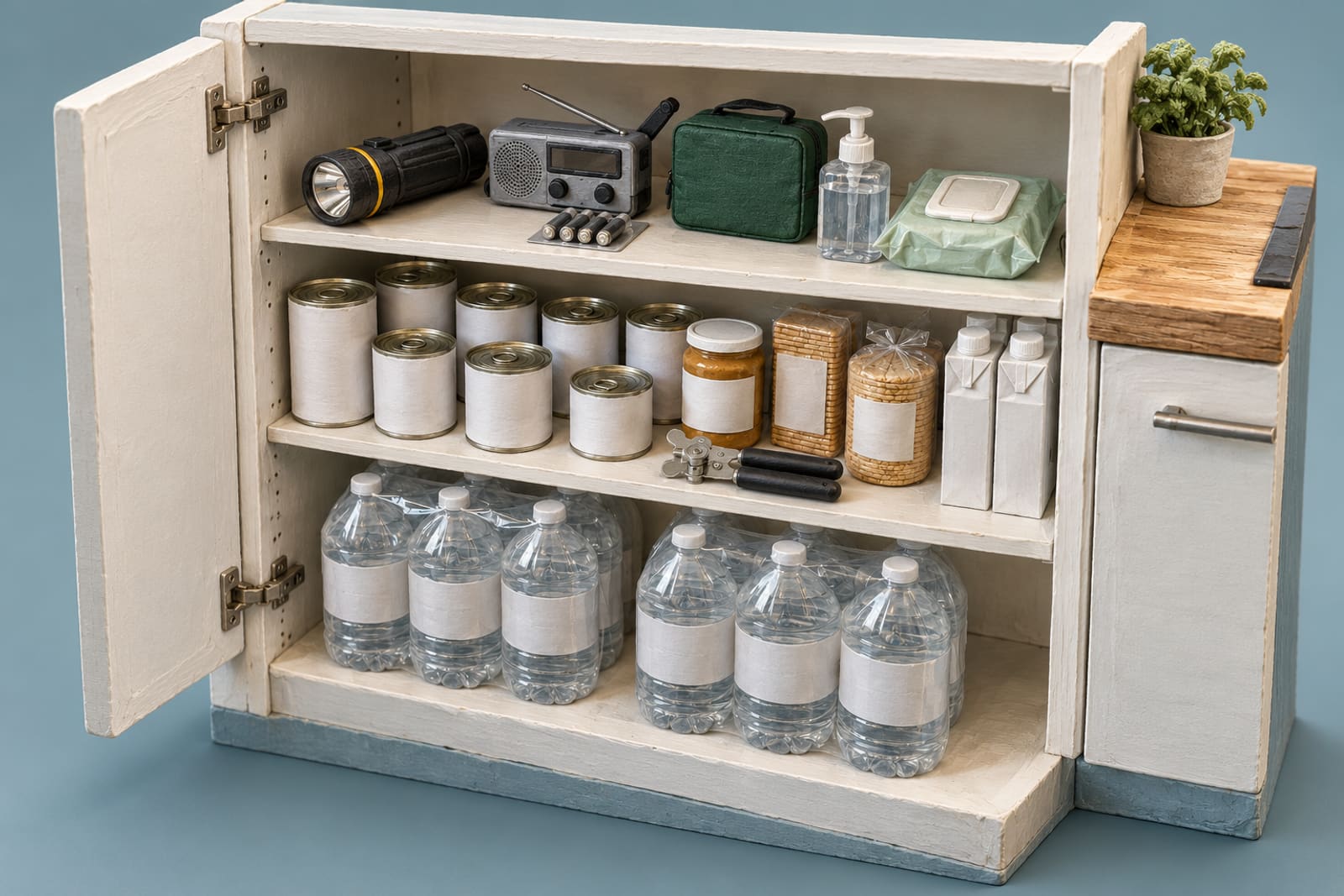
Which lists name it: GOVGOV.UK PrepareRCBritish Red CrossSCOReady ScotlandNInidirect
Everything on the four lists is in your cupboard. Check the dates every six months.
Three days is the figure the British Red Cross and Ready Scotland use: "3 days' supply" of bottled water and food. GOV.UK Prepare doesn't set a number. It writes for "an emergency lasting a few days, such as a power cut or water outage". Start with three days, then add more if you live somewhere that gets cut off.
GOV.UK Prepare gives two figures. "A minimum of 2.5-3 litres of drinking water per person per day" for survival, and "10 litres per person per day" to cover "basic cooking and hygiene needs" too. Two people for three days is 18 litres to drink, or 60 to be comfortable. Our water calculator goes into more detail.
No. GOV.UK Prepare suggests you "add to your emergency kit when you are able and build it up over time". One or two items with each weekly shop fills the list in a couple of months.
Each one is written for a different audience. Ready Scotland adds access needs such as spare hearing aid batteries and a whistle. nidirect and the Red Cross add cash, documents and spare keys. Where all four agree, treat the item as the core of the cupboard. Government advice explained covers the differences in full.
After the government's advice in late August, posts on r/UKPreppers went from about two a day in August to about seven in September, and many were photos of a cupboard asking what was missing. These four gaps came up again and again.
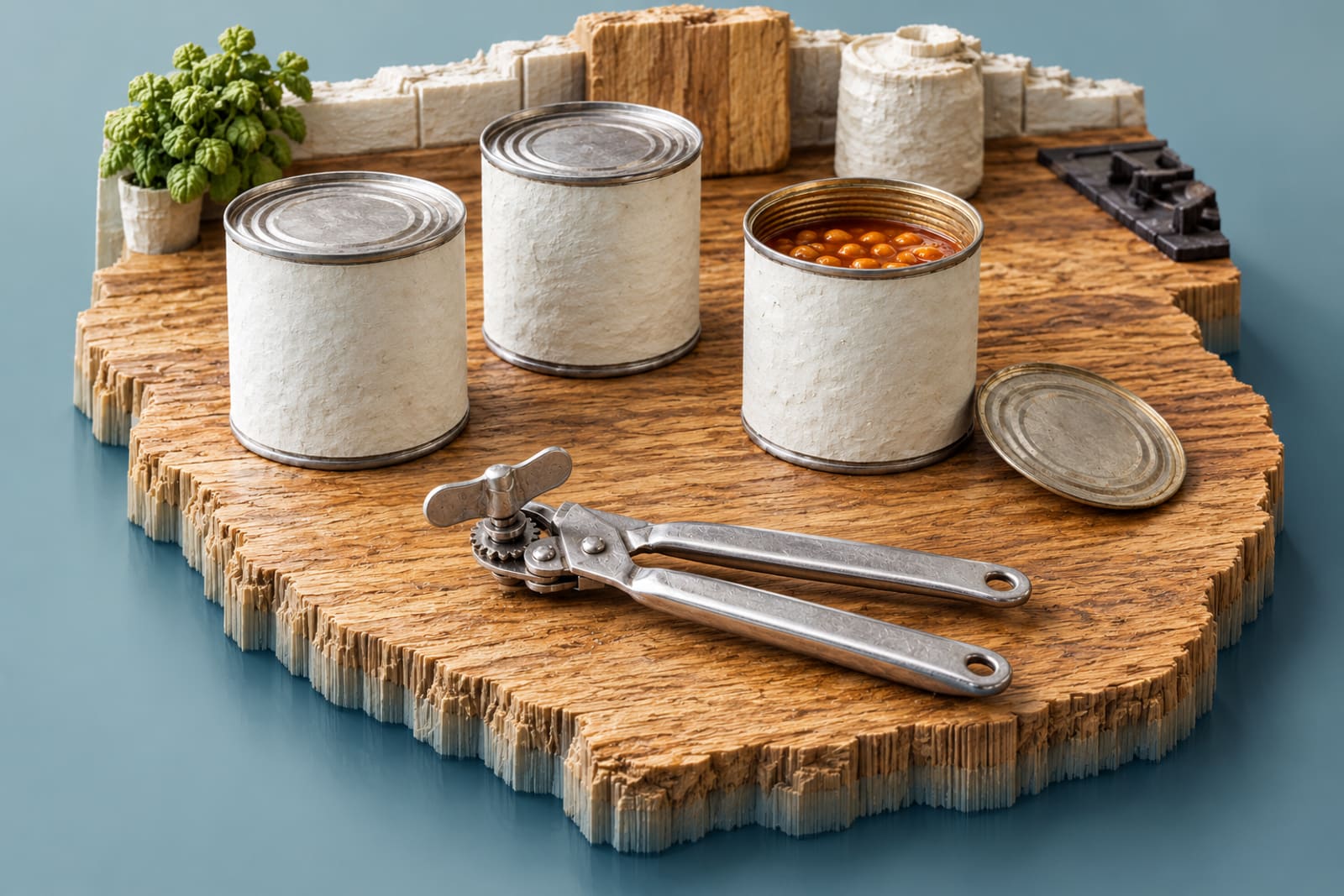
A shelf of tins with no opener comes up again and again. GOV.UK Prepare lists the tin opener in brackets beside the food. Keep a manual one with the tins, and use it once so you know it turns.
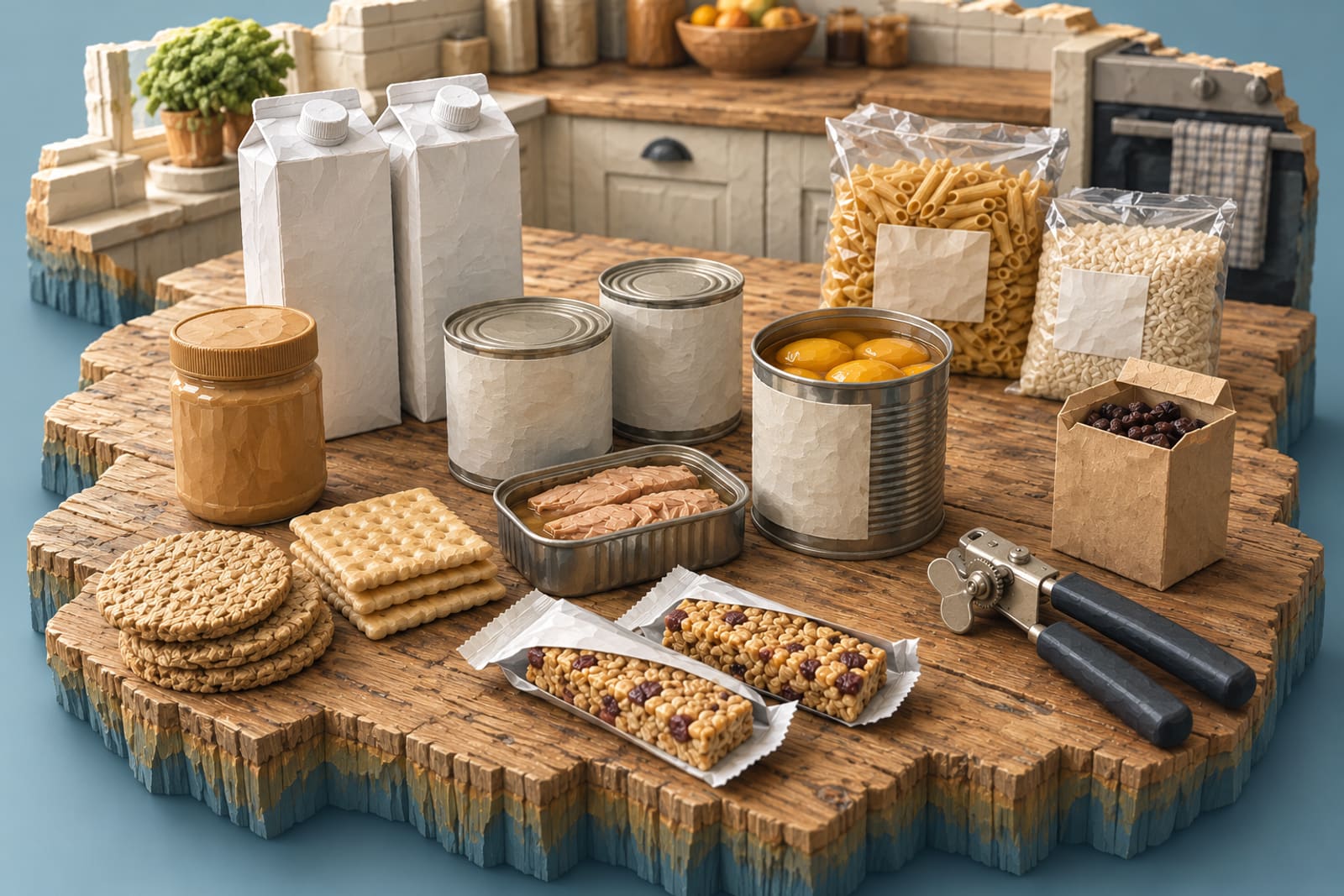
The official lists ask for "non-perishable food that doesn't need cooking". Bags of pasta and rice need water and a hob, and both can be off. Count them as extras, and fill the gap with tinned fish, fruit, oatcakes and peanut butter.
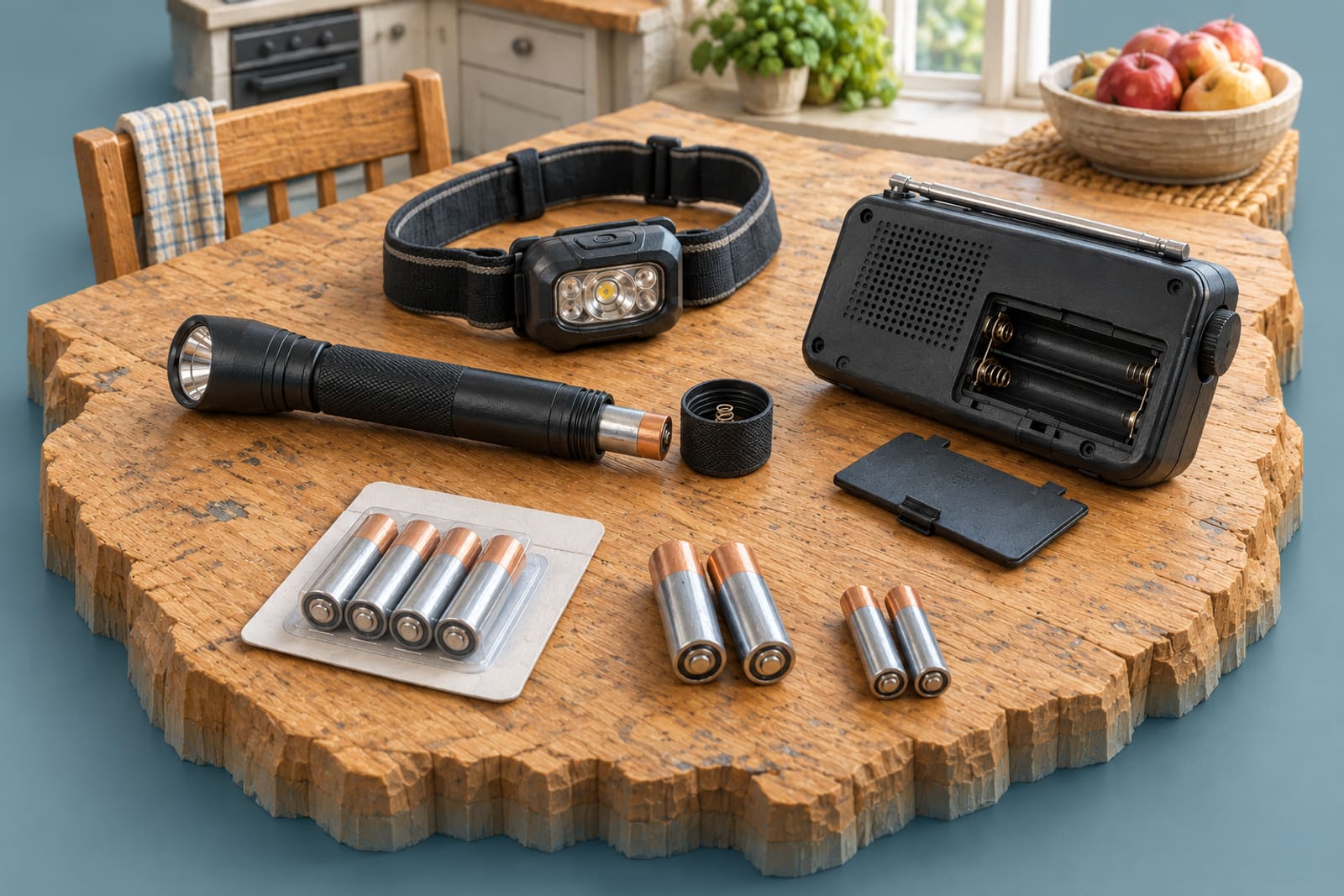
A drawer of AAs is no help if the radio takes D cells. All four lists include spare batteries. Open the torch and the radio, check the size, and keep a pack of each beside them.
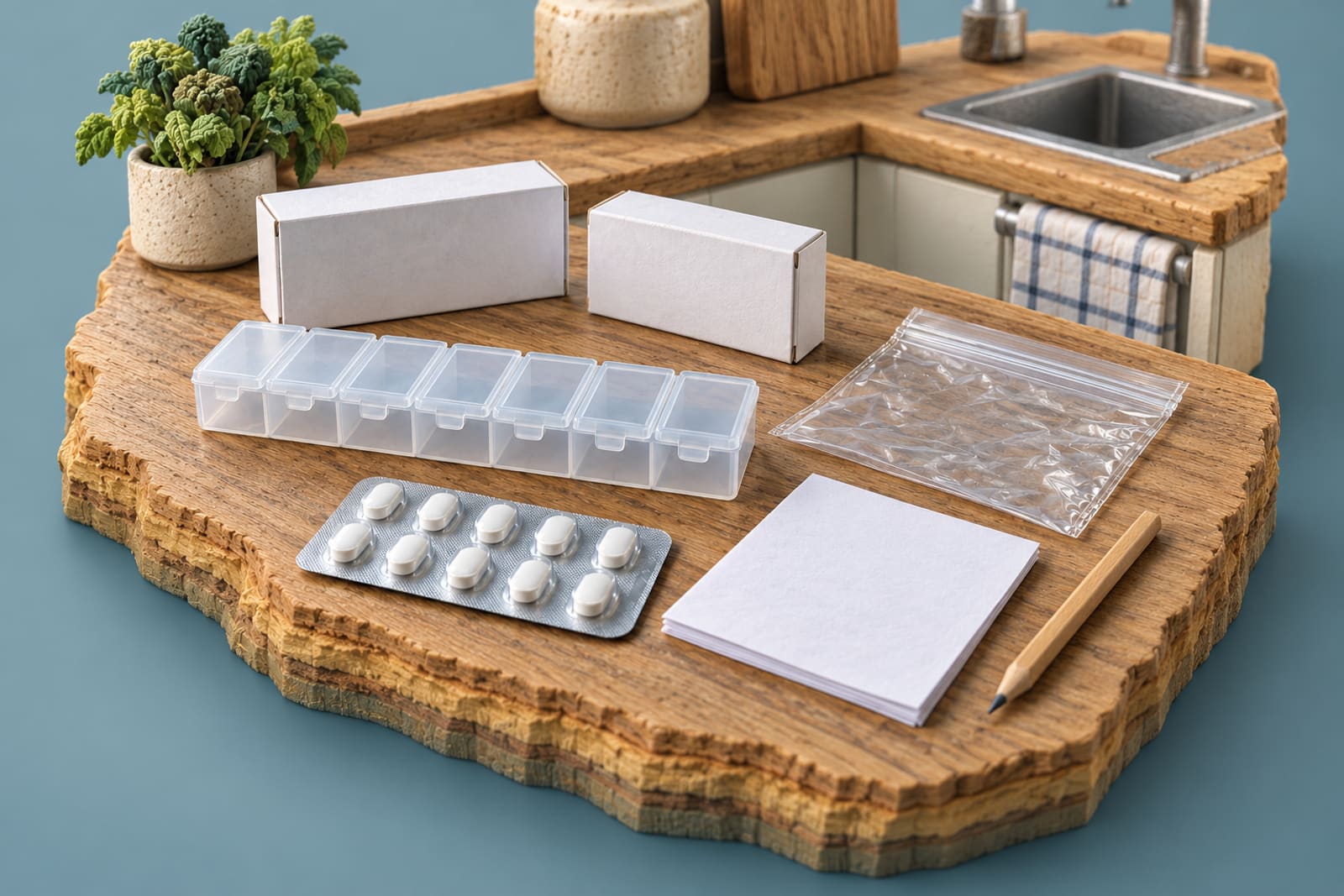
Tins are easy to see on a shelf. Medicines are easy to forget. GOV.UK Prepare asks you to keep "enough of the medication you need to keep you going for several days". Order repeat prescriptions a few days early, and keep a written list of what everyone takes.
Cash, keys and papers go missing too. They're on the Red Cross and nidirect lists rather than the GOV.UK one: "cash for essentials", "copies of important documents (kept in a waterproof bag)" and "spare house and car keys". They take up one pocket of a bag. How much cash to keep works out the cash for your household.
A cupboard filled once in August will be out of date in a year or two. Eat from it, replace what you eat, and check the dates twice a year.
Put new tins and bottles at the back and move the old ones forward. Eat the cupboard food in your normal meals and replace it with the weekly shop. Nothing goes to waste, and the store stays fresh.
Pick two dates a year to check everything, such as when the clocks change. Test the torch and the radio, and charge the power bank.
Keep water sealed. GOV.UK Prepare recommends bottled water "rather than filling up your own containers with tap water", because it is "properly sealed in a food-grade bottle".
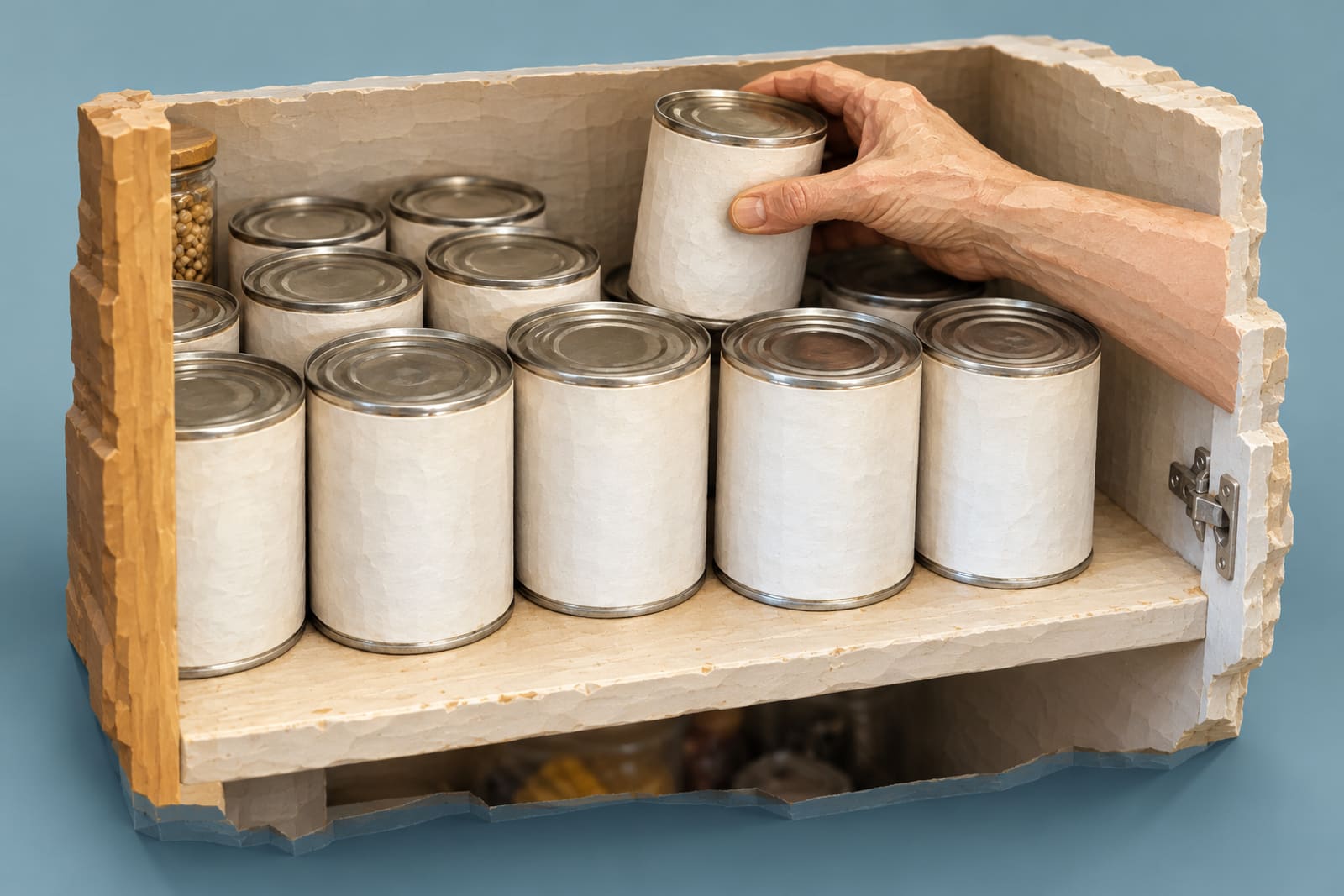
Usually, yes. "After the best before date, the food is usually safe to eat but may not be of the same quality." A use-by date is different: "Eating food after the use-by date could make you ill."
A shallow dent is fine. The Food Standards Agency says food "should remain fit to eat if a can is dented, providing the denting of the can is shallow and there are no other obvious signs that the can is damaged". Throw away tins with deep dents or rust, and don't eat from a tin that bulges.
No. The FSA says "you should not store food in an opened tin can". Tip what's left into a bowl or a container and put it in the fridge. In a power cut, eat the whole tin at one meal rather than saving half.
A tin opener that works with the power off, a rack that rotates the tins for you, and a radio that doesn't need the mains.
Tin opener
Not every tin has a ring pull, and an electric opener is no use in a power cut. One that turns smoothly saves a lot of frustration.
Can rack
New tins go in at the top and the oldest roll out at the bottom, so the store rotates itself.
Radio
Local radio carries updates when the mobile network is busy or down.
Want it on paper? Our emergency kit checklist puts the core of the list on one printable page.
Print the kit checklist The power's off
Keep the food cold and one room warm
 No water from the tap
Find the fault, make the water last
 Flooding near me
Read the warning, get people and valuables up
 A storm is coming
Ready the day before, safe the morning after
 The shops are empty
Food, medicines and baby feeds for the first fortnight
 I can't cook
Eat well for three days with the cooker off
 The heating's off
Keep one room warm and everyone in it safe
 There's no fuel
Make the tank last and store petrol legally
 The phones are down
Get the news and reach your people
 My medicine's running short
Repeats, shortages and running out
 It's a heatwave
Keep the house cool and everyone in it well
 There's a wildfire near me
Report it, keep the smoke out, be ready to go
One email a month: new guides as they're published, and one job to do before the season turns, from lagging the pipes in autumn to checking the torch batteries before the storms.
We'll only use your email to send the Prep Britain newsletter. Unsubscribe any time. How we handle it
